How AI Automation is Transforming Business in 2026
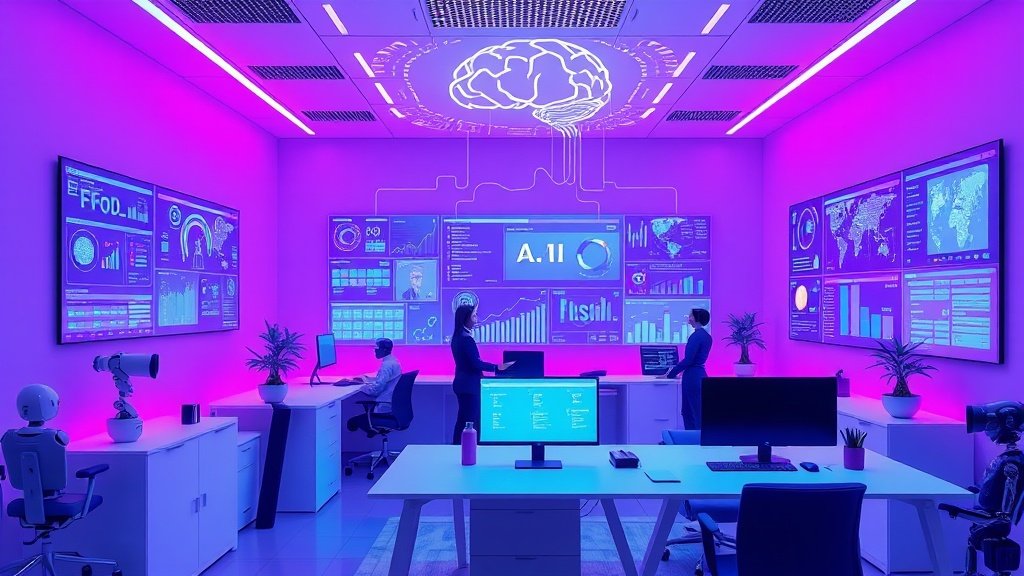
As we navigate through 2026, the conversation around Artificial Intelligence has shifted from speculative curiosity to fundamental infrastructure. We are no longer talking about “experimenting” with AI; we are witnessing a total architectural overhaul of the modern enterprise. AI automation has moved beyond simple chatbots and data entry to become the central nervous system of global commerce.
The landscape of 2026 is defined by “Agentic Workflows”—autonomous systems capable of making complex decisions, managing budgets, and executing end-to-end projects with minimal human oversight. Here is how this transformation is reshaping the business world today.
From Generative Content to Autonomous Operations
In 2024, businesses used AI primarily to write emails or generate images. In 2026, the focus is on Operational Autonomy. Companies now deploy specialized AI agents that handle supply chain logistics, real-time financial auditing, and hyper-personalized marketing campaigns simultaneously. These systems don’t just suggest actions; they execute them based on high-level strategic goals set by human leadership.
For example, a modern retail brand’s AI can monitor global shipping delays, automatically source alternative suppliers, adjust website pricing to reflect inventory changes, and launch a targeted ad campaign for surplus stock—all in the span of a few minutes without a single manual trigger.
The Rise of the “Human-Centric” Workforce
Perhaps the most surprising trend of 2026 is the revitalization of the human worker. As AI takes over the “drudge work”—the repetitive data synthesis and administrative coordination—human roles have become more focused on empathy, strategy, and ethics. This shift has led to several key changes in the corporate structure:
- The Death of the Entry-Level Grind: Junior employees are no longer spending years on spreadsheets. They are trained as “AI Orchestrators,” overseeing fleets of digital bots.
- Hyper-Personalized Customer Experience: With AI handling the technical support, human representatives are reserved for complex emotional cooling and high-stakes relationship building.
- Accelerated Innovation Cycles: Products that used to take years to move from concept to market are now developed in months, as AI-simulated testing replaces lengthy physical prototyping phases.
Predictive Intelligence as a Standard
By 2026, “reacting” to the market is considered a failure. AI automation has empowered businesses with Predictive Intelligence. Using multi-modal data streams—ranging from satellite imagery to social sentiment—AI models can predict market shifts before they happen. This has essentially stabilized the “boom and bust” cycles for companies that have integrated these tools, allowing for leaner inventory levels and more sustainable growth patterns.
The Ethical and Security Frontier
With great power comes the necessity for robust governance. In 2026, the “AI Ethics Department” is as standard as the Legal department. Businesses are investing heavily in “Explainable AI” (XAI) to ensure that their automated decisions are transparent and unbiased. Security has also evolved; as AI-driven cyber threats become more sophisticated, businesses are using “Defensive AI” to autonomously patch vulnerabilities in real-time before a breach can occur.
Conclusion
The business world of 2026 is faster, smarter, and more efficient than ever before. AI automation is no longer an “edge” that gives a company an advantage; it is the prerequisite for entry into the global marketplace. As we look toward the end of the decade, the winners will not be those who have the fastest AI, but those who best integrate the boundless speed of automation with the creative vision of the human spirit.